The Most Common MOT Failures (and the Quick Checks That Avoid Them)
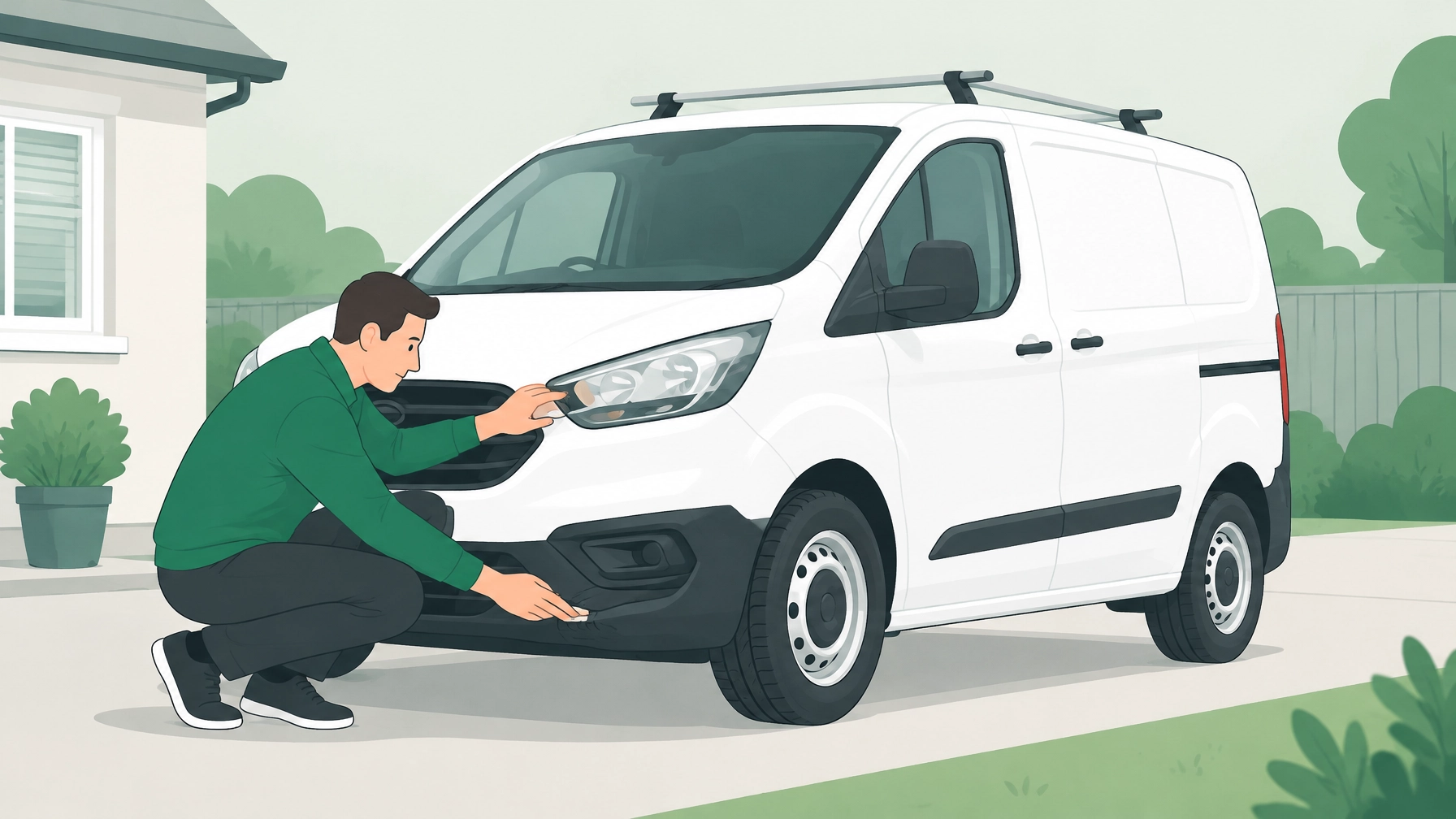
The most common MOT failures include lighting and signalling, suspension, tyres and brakes. Wipers, washers, seat belts, number plates and emissions can cause problems too. Many visible issues are easy to spot on a walk-round, though some need a mechanic or proper test equipment.
DVSA publishes annual MOT compliance data showing the same broad categories come up year after year. The data groups cars and light vans separately from other vehicle types, and a single test can record more than one defect. You can read the latest MOT testing data on GOV.UK.
1. Lighting and signalling
A failed bulb is a simple fault that can be easy to miss, especially on the rear of the vehicle. Test the headlights, indicators, hazard lights, brake lights and number plate light. Check the rear fog light and other lights where fitted.
Quick check: Switch on each light in turn. Ask someone to stand behind the vehicle while you press the brake pedal and operate the indicators. Clean the lenses and replace any failed bulbs before the test.
2. Tyres
Tyres can fail for having too little tread or for damage such as cuts, bulges or exposed cords. For cars and light vans, the legal minimum tread depth is 1.6mm across the central three-quarters of the tyre, around its entire circumference.
Quick check: Look over each tyre, including the inner and outer sidewalls, for damage and uneven wear. Place a 20p coin in the main tread grooves. If the coin’s outer band is visible, the tread may be close to or below the legal minimum; check it with a tread-depth gauge to be sure. Check pressures against the vehicle handbook or the information on the vehicle.
A tyre-pressure check is useful for spotting a problem, but it doesn’t replace checking tread and condition.

3. Brakes
Brake defects aren’t always visible from the driveway. Worn or damaged components, a problem with brake performance, or a relevant warning light can all need attention.
Quick check: With the vehicle stationary, notice whether the brake pedal feels unusually soft or sinks further than expected. Check that the parking brake operates as it should and look for brake or ABS warning lights. Don’t rely on a home check to confirm that the brakes will pass; if anything feels wrong, arrange a garage inspection.
4. Suspension
Suspension faults can be difficult to spot without lifting the vehicle. Worn parts may cause knocking noises, uneven tyre wear or changes in how the vehicle handles.
Quick check: Look at the tyres for uneven wear and pay attention to new knocks or changes in the vehicle’s handling. Don’t crawl under a vehicle or try to inspect parts you can’t access safely. Ask a garage to investigate anything unusual.

5. Wipers, washers and the driver’s view
The tester needs to be able to see whether the driver has a clear view of the road. Worn wiper blades, washers that don’t work and some windscreen damage can all cause trouble.
Quick check: Turn on the wipers and washers. Check that the blades clear the screen properly and that the washers spray enough fluid onto it. Look for cracks or chips in the area swept by the wipers, and make sure nothing is blocking your view.
6. Seat belts and mirrors
A seat belt that won’t secure or retract properly may fail. Mirrors that are missing, damaged or insecure can also be a problem.
Quick check: Pull each accessible seat belt out, check for visible damage, fasten it and see whether it retracts. Check that mirrors are secure and their glass is intact.
7. Registration plates, horn and warning lights
Plates must be clean, legible and correctly displayed. The horn needs to work, and certain dashboard warning lights can indicate a fault that needs investigating.
Quick check: Clean the front and rear plates and check they’re secure and readable. Test the horn briefly. Start the vehicle and pay attention to warning lights; if a warning stays on, check the handbook and get advice rather than ignoring it.
8. Fuel, oil and emissions
Exhaust emissions are measured during the MOT, so they’re not something you can confirm with a quick driveway check. The tester may also need enough fuel and engine oil to carry out the test.
Quick check: Make sure there’s enough fuel for the appointment and that it’s the correct type for your vehicle. Check the engine oil as described in the handbook and top it up if needed, taking care not to overfill. If you’ve noticed unusual exhaust smoke or an engine warning light, ask a garage to check it before the test.

Five-minute pre-MOT walk-round
Set aside a few minutes before the test and work through this list:
- Walk around the vehicle: Check the bodywork, mirrors, lights and registration plates for obvious damage or dirt.
- Test the lights: Check indicators, headlights and other fitted lights. Ask someone to confirm the brake lights work.
- Look over the tyres: Check tread, pressure, sidewalls and signs of uneven wear.
- Check visibility: Test the wipers and washers, clean the windscreen and make sure your view isn’t blocked.
- Check the cab: Test the horn, fasten and release the seat belts, and look for dashboard warning lights.
- Check under the bonnet: Check engine oil as instructed in the handbook, and make sure there’s enough of the correct fuel for the test.
This is a useful pre MOT checklist, not a guarantee that the vehicle will pass. For a longer guide to what to check, see our companion post: MOT checklist: what to check before your test.
What can’t you check yourself?
A walk-round can help you spot obvious faults, but it can’t confirm everything. Brake performance, emissions and many suspension problems need specialist equipment or a professional inspection. If you’ve noticed a warning light, unusual noise, poor braking, smoke or uneven tyre wear, ask a garage to investigate.
For vehicles used by several people, regular checks can help catch faults before they become last-minute MOT surprises. Motorlane Fleet lets drivers complete daily phone-based walkaround checks without downloading an app: they scan a QR sticker, then report issues such as faulty bulbs, worn tyres or damaged mirrors. MOT dates are pulled automatically from the DVSA, with reminders 30, 14 and 7 days before the due date. Find out more about driver checks and MOT reminders.
This is general information, not legal advice. Check GOV.UK’s MOT guidance for current requirements.
Try Motorlane Fleet free for 14 days, with plans from £4.99 a month.
See plans and pricing.
Try Motorlane Fleet
Reminders, driver checks and accident help for your vehicles, all in one app.
Get started freeMore from the blog
How to Report a Car Accident in the UK: Who to Tell and What to Record
Find out how to report a car accident in the UK, who to contact, when police must be told and what details to record for your insurer or employer.
Read →How to Check and Renew Your Vehicle Tax (Without Losing Track Across Several Vehicles)
Check your vehicle tax for free on GOV.UK, renew it using a V11 or V5C, and keep track of tax dates across several cars or vans.
Read →What Happens If Your MOT Expires: The Practical To-Do List
MOT expired? Follow this practical checklist to check the date, book a test, sort tax and SORN, and understand when you can drive your vehicle.
Read →